

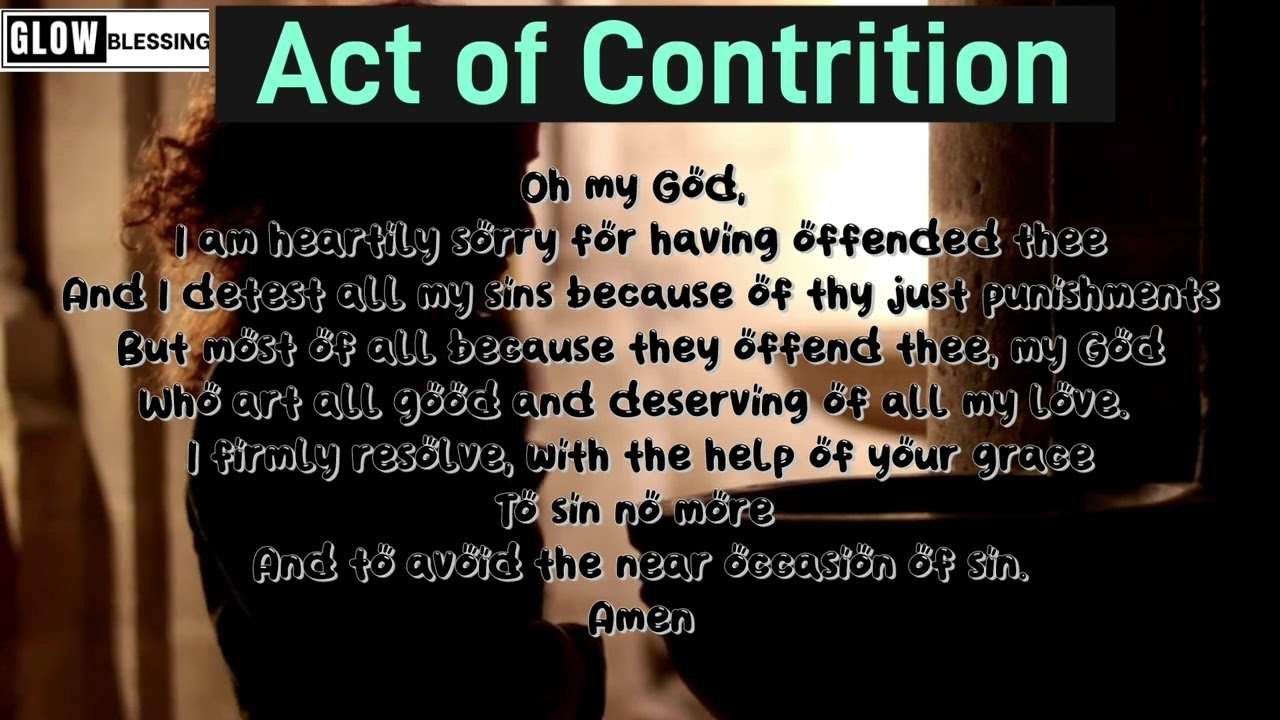
The Act of Contrition Prayer is a powerful expression of repentance, sorrow, and faith in God. Rooted in Catholic tradition, this prayer reminds believers of God’s mercy and forgiveness. Through the Act of Contrition, individuals seek strength to overcome sin, grow spiritually, and deepen their relationship with God.
This prayer is central during Catholic confession, where believers honestly acknowledge their sins and seek divine grace. Beyond confession, the Act of Contrition supports daily reflection, spiritual growth, and finding peace in challenging times. By reciting this prayer, believers demonstrate true humility, trust in God’s love, and a commitment to living a life guided by faith and compassion.
Meaning of the Act of Contrition
The Act of Contrition is a meaningful Catholic prayer expressing repentance and seeking God’s forgiveness with sincere sorrow for sins. Believers recite it to demonstrate humility, commit to personal spiritual growth, and strengthen their faith in God. This prayer serves as a powerful reminder that God’s mercy always welcomes hearts ready to return to His love and guidance.
- “Repentance is choosing love over fear, allowing God’s forgiveness to heal wounds and restore peace within the soul.”
- “A contrite prayer is not weakness but strength, admitting faults and embracing God’s endless compassion and mercy.”
- “True sorrow brings hope, for every mistake becomes a chance to rebuild trust with God and oneself.”
- “Forgiveness begins when the heart bends in humility, acknowledging sin and opening to divine love.”
- “Contrition transforms regret into renewal, guiding the believer back into God’s embrace with grace and faith.”
History and Origins of the Prayer
The Act of Contrition stems from Catholic tradition and the Sacrament of Reconciliation. Over time, its wording evolved, but its core message of humility, repentance, and forgiveness stayed the same. This prayer reflects humanity’s timeless need for God’s mercy, remaining a spiritual practice across generations and cultures.
- “The history of contrition reminds us that forgiveness is timeless, travelling through generations as a gift of mercy and grace.”
- “Every age and culture has needed this prayer, because repentance and forgiveness are universal human desires.”
- “From past to present, the Act of Contrition reflects humanity’s constant longing for healing through God’s love.”
- “Tradition carries this prayer forward, proving mercy has no age and repentance no boundary.”
- “History teaches that every heart, regardless of time, seeks peace through confession and forgiveness.”
The Role of Repentance in Christianity
In Christianity, repentance involves turning from sin, seeking forgiveness, and renewing one’s relationship with God. The Act of Contrition is central to this process, expressing sorrow and humility. By reciting this prayer, believers embrace God’s mercy, demonstrating a sincere desire to live with faith, obedience, and spiritual growth.
- “Repentance is courage, not weakness, because it takes strength to admit sin and seek God’s mercy sincerely.”
- “True repentance opens the heart, allowing forgiveness to heal pain and create peace with God.”
- “Repentance is the bridge between sin and salvation, built on humility and trust in divine love.”
- “Christian faith grows when repentance is real, turning guilt into hope and failure into grace.”
- “Repentance is love in action, choosing to return to God’s path even after mistakes.”
Why the Act of Contrition Matters Today
The Act of Contrition remains vital in modern Christian faith. Amid life’s distractions, it emphasizes repentance, humility, and God’s mercy. This prayer encourages believers to pause, reflect, and renew their commitment to God, providing spiritual healing, peace, and hope, while fostering daily growth in faith and devotion.
- “In today’s world, contrition grounds us, reminding hearts that God’s mercy is stronger than sin and doubt.”
- “The Act of Contrition matters today because repentance never grows old; forgiveness is always needed and welcomed.”
- “Modern life brings chaos, but contrition brings peace, anchoring souls in God’s compassion.”
- “Repentance is timeless, making this prayer relevant in every generation and every struggle.”
- “Contrition keeps faith alive today by transforming guilt into spiritual renewal and lasting peace.”
Traditional Act of Contrition
The traditional Act of Contrition is rich in devotion, sincerity, and humility, practiced in the Catholic Church for centuries. Believers recite this penitential prayer with a contrite heart, expressing sorrow for sins and committing to live in obedience to God’s commandments, fostering faith, repentance, and spiritual growth.
- “The traditional version carries the wisdom of centuries, guiding hearts into humility and repentance.”
- “Praying traditionally connects us with generations who sought forgiveness through the same humble words.”
- “Tradition preserves the beauty of contrition, reminding us mercy flows beyond time.”
- “Through tradition, we learn the unchanging power of forgiveness and prayer.”
- “The classic prayer reminds us that sorrow for sin has always been answered by God’s mercy.”
Modern Act of Contrition
The modern Act of Contrition uses simple, clear language, making it easier for believers to understand. It conveys the same message of repentance, forgiveness, and seeking strength from God. Many find comfort in this version, as it speaks directly to the heart, offering clarity, faith, and spiritual guidance.
- “The modern prayer makes repentance simple, yet deeply powerful in meaning.”
- “Clarity in words helps hearts focus on God’s mercy more easily.”
- “Modern forms remind us faith can be both simple and profound.”
- “Prayer in today’s language brings comfort, making contrition accessible to all.”
- “Simplicity does not weaken meaning; it strengthens faith through understanding.”
Act of Contrition for Children
The children’s Act of Contrition is written in simple, easy-to-understand language for young believers. It teaches forgiveness, repentance, and God’s love, helping kids build a strong faith foundation. By practicing this prayer early, children learn the importance of sincere apology, humility, and developing a lifelong connection with God.
- “Teaching contrition to children plants seeds of faith early in their hearts.”
- “Children’s prayers show us purity in repentance and hope.”
- “Simple words teach children deep truths about mercy and forgiveness.”
- “When children pray contritely, innocence and sincerity shine together.”
- “Childlike contrition reflects pure love and trust in God.”
Short and Simple Versions of the Prayer
There are short and simple versions of the Act of Contrition for quick daily prayer. These versions clearly express repentance, faith, and forgiveness, making it easy for believers to pray sincerely even with limited time. Short prayers help maintain a close relationship with God, offering daily spiritual connection and guidance.
- “Short prayers still carry great depth, reminding us that sincerity matters more than length.”
- “Simple contrition touches God’s heart as deeply as long prayers.”
- “Even a brief prayer can bring peace when spoken with love.”
- “Simplicity in prayer reminds us that God values honesty, not formality.”
- “Short contrition keeps faith alive throughout busy moments.”
How to Memorise the Act of Contrition
To memorize the Act of Contrition, repeat it daily with faith and patience. Break the prayer into smaller parts, understand its meaning, and recite slowly. Consistent practice helps believers remember it more easily, allowing the words to stay in the heart and be ready whenever spiritual guidance and prayer are needed.
- “Repetition builds memory, but meaning builds faith.”
- “Memorising prayer is easier when the heart understands its message.”
- “Daily practice makes contrition a natural part of faith.”
- “When we learn the words, we also learn humility and trust.”
- “The memory of prayer is the memory of God’s mercy.”
Act of Contrition and the Sacrament of Confession
The Act of Contrition is central to the Sacrament of Confession, where believers demonstrate genuine repentance and seek God’s forgiveness. By reciting this prayer, Catholics express sorrow, commit to personal change, and embrace God’s mercy through the priest. It represents a path of humility, spiritual healing, and renewed faith.
- “Confession becomes powerful when contrition is sincere, because God’s mercy enters hearts that open honestly, admitting sin and asking forgiveness humbly.”
- “In the sacrament of confession, contrition unlocks mercy, transforming guilt into peace and healing wounds with God’s unconditional grace.”
- “The Act of Contrition completes confession by expressing sorrow, humility, and faith, making repentance real before God’s merciful presence.”
- “Confession without contrition remains incomplete, for only true sorrow opens hearts to mercy and God’s healing forgiveness.”
- “Through contrition, confession transforms lives, turning sins into lessons, weakness into strength, and guilt into renewed peace and faith.”
Step-by-Step Guide to Saying the Prayer
To pray the Act of Contrition, begin with faith and humility. Speak sincerely, confess your sins, and ask God for mercy. Commit to changing your actions and living righteously. Recite the prayer slowly, reflect deeply, and let your heart fully embrace each line, fostering spiritual growth and devotion.
- “Contrition is simple: speak sincerely, mean every word, and trust God’s forgiveness to heal your heart and guide your steps.”
- “Every line of the prayer should carry both humility and hope, joining sorrow for sin with faith in mercy.”
- “Steps to contrition are steps toward God’s embrace, moving from guilt into grace and finding peace through forgiveness.”
- “Say it slowly, reflect deeply, and believe fully, for sincere contrition brings God’s mercy into the heart instantly.”
- “True contrition is less about perfect words, more about a heart humbly turning back to God’s love.”
Act of Contrition in Daily Life
The Act of Contrition is not only used in confession but also for daily prayer. It helps believers find peace, seek forgiveness, and maintain a close relationship with God. Regular use nurtures humility and faith, turning contrition into a spiritual habit that strengthens the believer’s daily faith journey.
- “Daily contrition keeps the soul light, free from guilt and filled with peace, keeping hearts closer to God’s loving mercy.”
- “Praying contritely each day washes dust from the heart, restoring faith, humility, and trust in God’s eternal forgiveness.”
- “A contrite prayer daily renews inner strength, offering hope, healing, and spiritual growth with God’s grace.”
- “Daily contrition builds habits of humility and trust, shaping believers into people who walk closer with God.”
- “Contrition in daily prayer makes every morning a new chance to begin again with God’s mercy.”
Differences Between Act of Contrition and Other Prayers
The Act of Contrition differs from other prayers because it emphasizes repentance, forgiveness, and sorrow for sins. Unlike prayers of thanksgiving or petition, it reflects humility and a sincere desire to change. This personal and honest prayer directly seeks God’s mercy, fostering spiritual growth and a deeper relationship with God.
- “Other prayers thank or request, but contrition admits fault, repents with humility, and renews faith in God’s forgiveness.”
- “Contrition stands apart because it faces sin honestly, offering sorrow and asking mercy where other prayers ask blessings.”
- “Unlike praise or petition, contrition heals wounds of the soul, turning guilt into hope through divine grace.”
- “Contrition is unique: where weakness meets mercy and sorrow finds healing through God’s compassion.”
- “Every prayer has purpose, but contrition alone deeply cleanses the soul, making peace with God real.”
Misconceptions About the Act of Contrition
Some people believe the Act of Contrition is only for confession or motivated by fear rather than love. These misconceptions overlook its true purpose: expressing sorrow, seeking forgiveness, and embracing God’s mercy. This prayer is not limited to the church—it can be recited anytime with sincerity, faith, and devotion.
- “Contrition is not fear of punishment; it is trust in God’s love, returning with sorrow but also with faith.”
- “The prayer is not limited to confession; it belongs in daily life as a prayer of mercy and peace.”
- “Contrition is about love, not guilt, reminding us every mistake can be healed with forgiveness.”
- “Misunderstood by many, contrition is actually peace, giving hearts comfort beyond fear.”
- “Contrition is not an empty ritual; it is honest sorrow lifted as prayer to God.”
The Spiritual Benefits of the Act of Contrition
Praying the Act of Contrition offers many spiritual benefits. It strengthens faith, fosters humility, and deepens a believer’s relationship with God. By seeking forgiveness, individuals feel renewed and guided toward holiness. This prayer draws the soul closer to God’s mercy, bringing hope, peace, and spiritual light into daily life.
- “Contrition strengthens faith by reminding believers that God’s mercy is endless, giving hope in times of weakness and struggle.”
- “Spiritual growth begins when the heart admits fault, asks forgiveness, and welcomes healing.”
- “Through contrition, faith becomes deeper, humility stronger, and peace greater.”
- “Spiritual benefits come as contrition heals wounds and draws believers closer to God.”
- “Contrition offers strength, hope, and renewal, turning failure into faith.”
Psychological Peace from the Act of Contrition
The Act of Contrition also gives psychological peace. Admitting sins, showing repentance, and seeking forgiveness relieve guilt. This prayer provides mental calmness, healing, and hope. By honestly expressing sorrow and trusting God’s mercy, believers free their minds from heavy burdens, finding clarity, balance, and comfort in prayer.
- “Contrition eases the mind by lifting guilt, leaving peace and freedom.”
- “Psychological peace comes when the heart admits wrong and feels forgiven.”
- “Through contrition, guilt fades, clarity returns, and the soul finds rest.”
- “Contrition heals the mind as much as the spirit, bringing inner balance.”
- “True peace arises when sorrow is confessed, forgiveness received, and hope restored.”
Teaching Children the Act of Contrition
Teaching children the Act of Contrition helps them understand repentance, forgiveness, and God’s love from an early age. With simple words, children learn to say sorry and trust God’s mercy. This prayer builds faith, humility, and kindness, shaping their character and teaching them how to live with God’s grace.
- “Teaching children contrition plants seeds of faith, helping them grow into adults who understand forgiveness and trust God’s mercy deeply.”
- “Children learn humility through contrition, discovering God loves them even when they fail, guiding them gently back to His grace.”
- “Contrition for children uses simple words, but the meaning remains powerful: sorrow, forgiveness, and trust in God’s endless mercy.”
- “When children practice contrition, they begin to see mistakes as lessons, not failures, because God’s love always forgives.”
- “Teaching prayer early makes contrition natural, ensuring children grow with humility, kindness, and the strength of faith.”
Act of Contrition in Catholic Catechism
In the Catholic Catechism, the Act of Contrition is explained as a prayer of repentance, faith, and humility. It highlights the believer’s need for God’s forgiveness and mercy. Catechism teaches that this prayer is part of confession and spiritual growth, guiding Catholics toward living with holiness and grace.
- “The Catechism describes contrition as repentance with faith, where believers humbly ask for mercy and promise to live faithfully again.”
- “In Catholic Catechism, contrition stands as a key prayer that shapes confession, guiding believers into forgiveness and spiritual renewal.”
- “Catechism highlights contrition as essential for faith, showing forgiveness comes through humility and the desire to change.”
- “Contrition in Catechism explains why sorrow for sin is necessary, because God’s mercy requires honesty and repentance.”
- “The Catechism connects contrition to spiritual growth, showing believers how forgiveness leads to holiness.”
How Priests Guide the Act of Contrition in Confession
During confession, a priest helps guide the Act of Contrition. He encourages sincerity, explains the prayer, and ensures the person understands repentance. Priests remind believers that contrition is not about fear, but about love and trust in God’s mercy, leading to forgiveness and peace of heart.
- “Priests guide contrition by encouraging honesty, ensuring believers pray with true sorrow and openness to God’s mercy and forgiveness.”
- “A priest reminds us contrition is love, not fear, making confession healing instead of shameful.”
- “Priests lead contrition gently, showing repentance is grace-filled and deeply transformative.”
- “Guidance in confession ensures contrition is spoken sincerely, making forgiveness real.”
- “With priestly guidance, contrition becomes heartfelt, turning guilt into peace and sorrow into strength.”
Using the Prayer During Hard Times
The Act of Contrition offers strength in hard times. By praying with faith, believers find comfort, hope, and peace. It helps release guilt and fear, reminding them of God’s mercy. In struggles, contrition provides calmness, spiritual renewal, and trust that God’s love is stronger than challenges.
- “During hard times, contrition reminds hearts that God’s mercy is stronger than struggles, bringing peace, comfort, and strength through faith.”
- “Contrition in dark moments offers light, replacing fear with hope, sorrow with faith, and pain with God’s comfort.”
- “When life feels heavy, contrition lifts the soul, reminding us God forgives and carries our burdens.”
- “Praying contrition in hardship turns weakness into strength, because humility brings divine support.”
- “Contrition comforts the heart during trials, teaching us peace comes from God’s love.”
Act of Contrition and Forgiveness of Sins
The Act of Contrition is closely tied to the forgiveness of sins. By showing repentance and seeking mercy, believers receive God’s grace. This prayer is a promise to change, live better, and avoid sin. It reflects humility and faith, inviting God’s forgiveness and spiritual renewal.
- “Contrition opens the door to forgiveness, allowing God’s mercy to wash away sins and heal broken hearts.”
- “Through contrition, forgiveness becomes real, turning regret into grace and guilt into peace.”
- “Forgiveness follows contrition, because God responds to true sorrow with endless compassion.”
- “The Act of Contrition cleanses sins, making hearts light and free.”
- “Contrition invites forgiveness, transforming weakness into hope and failure into growth.”
Act of Contrition in Personal Reflection and Meditation
The Act of Contrition is powerful for personal reflection and meditation. It allows believers to examine their hearts, admit sins, and seek forgiveness. In quiet moments, this prayer brings peace, strengthens faith, and deepens trust in God’s mercy, helping individuals grow spiritually and live with grace.
- “Contrition in meditation brings peace, letting hearts release guilt and embrace God’s love fully.”
- “Reflection with contrition deepens faith, opening space for healing and guidance.”
- “Praying contrition privately allows honest connection with God, beyond fear.”
- “Personal contrition makes meditation a journey of healing and renewal.”
- “Through reflection, contrition transforms sorrow into hope, strengthening trust in God.”
Conclusion
The Act of Contrition Prayer is a beautiful way to show sorrow for sins and ask for God’s forgiveness. It teaches us repentance, humility, and trust in God’s endless mercy. Whether in confession, daily prayer, or quiet reflection, this prayer brings peace, hope, and a closer relationship with God.
Making the Act of Contrition part of life helps us grow in faith and live with a clean heart. It reminds us that mistakes are never final when we turn back to God. With sincerity, love, and true prayer, every person can find forgiveness, healing, and spiritual strength again.
You must read about “Sinner Prayer: Meaning, Power, and Steps to Forgiveness”
